

How recruiters actually evaluate portfolios
What gets you hired isn't always what you think

You put a decade of experience into your portfolio? Like it or not, a recruiter or hiring manager will review it in seconds.
Recently, I negotiated a recruitment collaboration with a major streaming platform, and they asked how I evaluate portfolio quality and creative fit.
The question made me stop and think. Because from the outside, it may seem like some abstract idea of “seeing” talent, having intuition, or a feeling for it. As they say, “the beauty is in the eye of the beholder,” right? And sure, art perception can be quite subjective.
I do believe in talent, and I use my intuition as a recruiter, but after years of reviewing thousands of showreels and portfolios, I can clearly define the system behind every decision made. A system that every serious recruiter or Art Director is running in their head while your portfolio is open on their screen. And it’s not an abstract concept.
So I decided to start a series of articles on how selection in the creative field actually works from the perspectives of recruiters and hiring managers.
In this article, I want to focus on portfolio evaluation, as it remains the main way people judge whether you are the right fit.
I defined 8 criteria. Miss even one, and the rest won't save you.
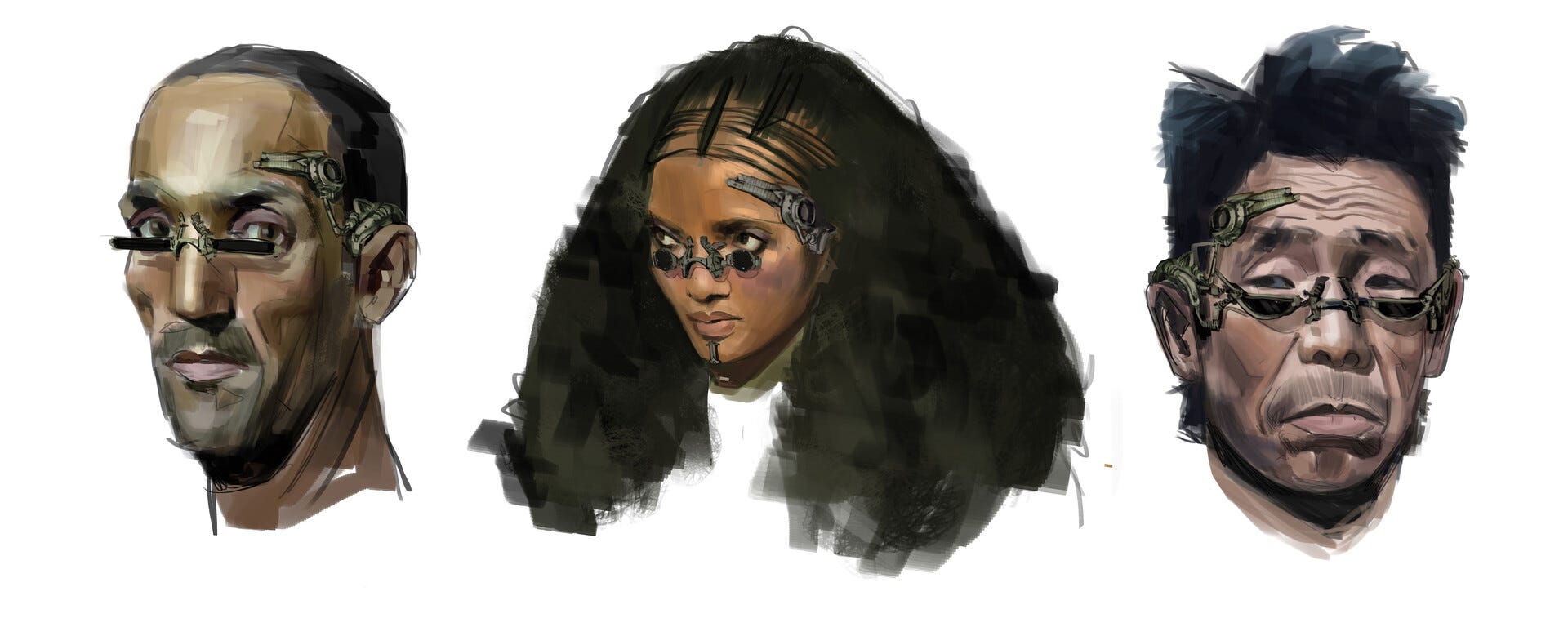
1. Artistic vision
Composition, color, lighting, proportions, and visual storytelling are what make a portfolio solid. Your work can be technically flawless yet still feel visually empty if fundamental art principles are missing.
Artists without formal art education sometimes have gaps here — and closing them is worth the effort at any stage of a career.
And let’s be honest, we call you Artists for a reason, unless you’re a TD.
Quick tip (from an art school): when working on an image, shrink it to thumbnail size as you work — does it still look good? Is the main focal point of the shot clearly defined?
Train your artistic eye whenever you can with drawing or photography

2. Technical execution
That’s what proves you can actually do the job. It varies by role: from movement quality for an Animator to MetaHuman pipeline experience or clean topology for a Character Artist.
A good example: I once had to hire a hard-surface Concept Artist who could do quick hand-drawn sketches. There are plenty of great Concept Artists who create hard-surface models in 3D — and that’s completely valid — but they couldn’t deliver what that specific role required. Strong work, wrong execution.
Technical execution relies heavily on software. Specific software knowledge has quietly decided more hires than most artists realize. Not knowing the core software in a studio's pipeline is often a dealbreaker. On the other hand, having additional tools the next candidate doesn't — that can be what wins you the role.
If recruiters repeatedly ask about a technique or software you don't use, it might be time to learn it and add it to your pipeline. Some artists resist adapting their process to market needs, and that resistance costs them roles.
3. Portfolio presentation quality
How you present your work is part of the work. The same piece can read completely differently depending on how it's presented. What matters here is: level of detail, visual clarity, lighting, style consistency, and visual flow - how each piece connects and how color and mood carry from one piece to the next.
Your portfolio needs to be up to date. I once had a very experienced candidate whose showreel was from 2009. The Director passed on him straight away, not because of the work, but because of the outdated reel. If your showreel or portfolio hasn’t been updated for ages, that can be a problem.
I often refer to this in my career consultations: a portfolio by Senior Technical Artist Tanguy Talbert. The way he presents an Unreal bridge script is such a perfect example of how a technical tool can be shown in an exceptional artistic way.
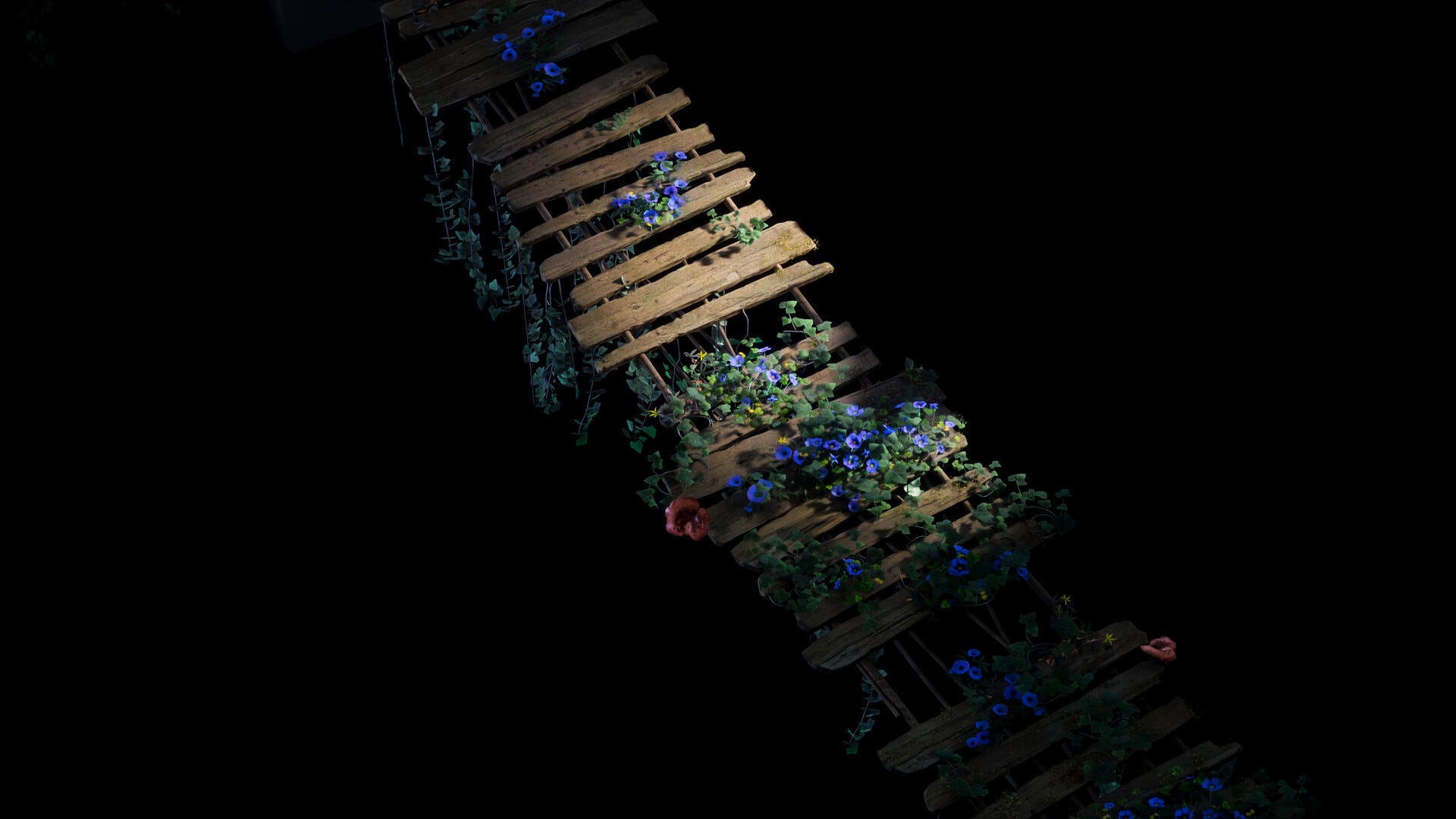
Always show quality over quantity. Always put your best work first to make the right impression and set the bar
4. Style fit
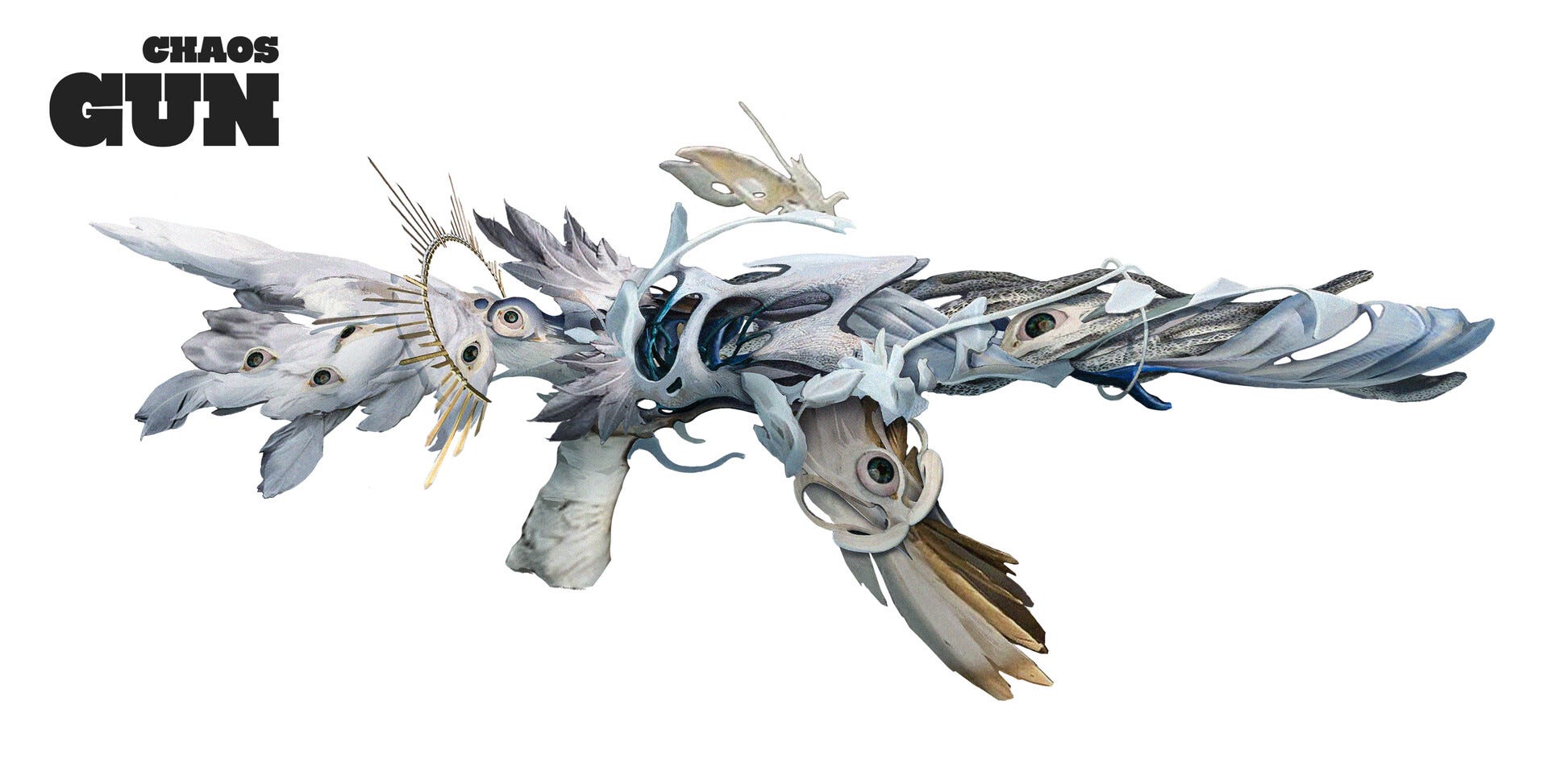
Style relevance is one of the most underestimated filters in the selection process. An artist’s work often needs to match the style of the specific project or studio.
Studios that make stylized games will look for artists who can create characters, weapons, environments, and other assets in the same style.
A strong reel is not just a collection of nice shots. It has to show relevance.
Research on Artstation what specific style is in demand in the market for your role. You may be surprised by how hard it is to find available stylized Character Artists or semi-stylized Weapon Artists
5. Industry benchmark
Portfolios are usually reviewed in bulk, and your work is compared to top Artists actively working in the field, as well as specific studio standards — not against an abstract quality standard.
Check the Artstation profile of the Lead Artist or Supervisor at the studio you’re applying to. It tells you more about the quality bar than some job description will
6. Artist positioning
This is about whether the Artist’s specialization and career direction align with the role.
A 3D Generalist applying for a specialized role will be rejected in most cases because their skill set is too broad and their portfolio too scattered compared with more specialized candidates.
Studios don’t need to guess what you’re good at. Your portfolio should answer that immediately
From a hiring perspective, the absence of a clear specialization can signal that an Artist has been spread too thin across too many areas to reach a competitive level in any single area. Given how high industry standards are today, this can become a serious disadvantage.
Be strategic about how you present yourself. Tailor your portfolio to the role you actually want. You may have 2-3 reels tailored to different roles
7. Consistency
Quality needs to hold across every work in the portfolio.
Studios need to know that what they see in an artist's portfolio is what they'll get in production. One outstanding shot, surrounded by weaker shots, can easily raise doubts
Less than 10 works on Artstation can read as a beginner portfolio, no matter how strong your artworks are. An Art Director once advised me to use this as a selection filter. This is not a strict rule, but inconsistency or a lack of works can signal the same thing to a hiring manager — unpredictability
8. Creative process
How an Artist thinks and approaches their work, from references to the finished piece, revealing their logic and problem-solving.
It looks different for every role. For a Character Artist, a Lead will look closely at model topology as it shows whether the Artist understands production requirements. For a Concept Artist, it's the ideation stages and how an idea develops from start to finish.
Either way, if the process isn't there, a hiring manager is left guessing — and it raises a real question: can this Artist solve problems independently, or do they need to be guided through every decision?
Show more than aesthetics. Show decision-making. Show that you understand how your work fits into a pipeline
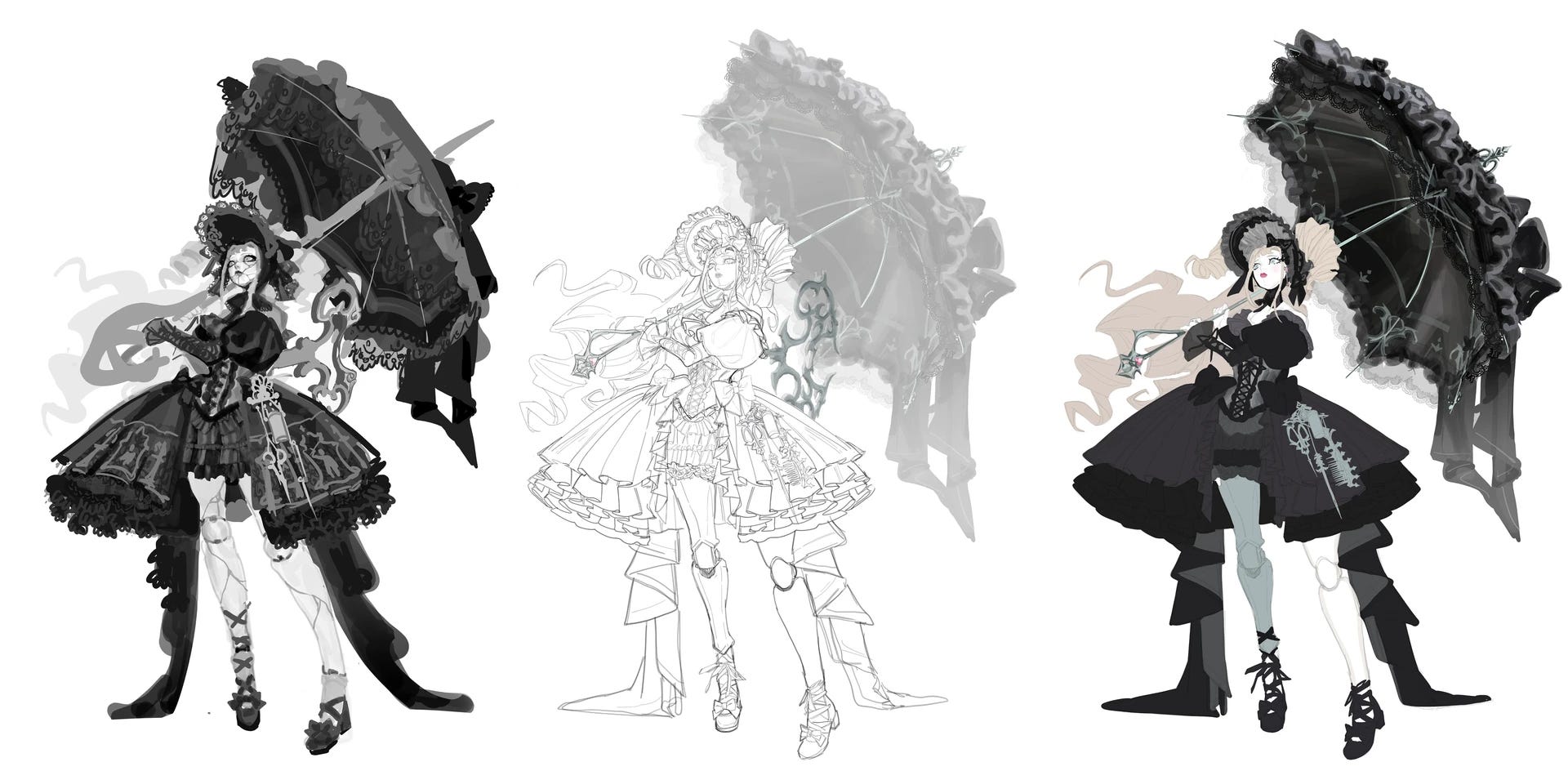
These 8 criteria come from years of close work with Art Directors, Leads, and Production Directors across major studios. This is what the process looks like from the inside, and it usually isn’t what studios will explain.
When you don’t fit, often the only thing you get is an automatic rejection email. That means one of these criteria was missing or questionable. You can only guess what.
And this is just the portfolio. The selection process goes beyond it.
If you want an honest look at your portfolio, CV, or career in general, I offer individual career consultations, from a full career audit to portfolio or showreel reviews.
If this was useful, you can support me here:
For career consultation questions or recruitment inquiries: anna@beyondtalent.info
Also, don’t forget to like, share, and love your life.